
 Great baking is the absolute definition of cooking up a storm of culinary satisfaction. There’s a real pleasure to be found in getting the right blend and balance of ingredients so as to come up with a memorable meal of perfect presentation. Technically, baking is chemistry for foodies and your ingredients need to mesh together to create your desired recipe, all the while mindful of the fact that the food you put into your body can be your biggest poison or your best medicine.
But what do you do when you want your baking to contain the very best of ingredients – better health benefits aka a vegan version? Can you really achieve a great product when you substitute and swap out ingredients to adjust for your lifestyle? What ingredients should you swap and what do you swap them with? It used to be overwhelming and confusing, but that was then, and this is a vegan-possible now. Replacing non-vegan ingredients with vegan ones will make all of your baking recipes healthier without sacrificing great taste or nutrition. What’s not to like about that?
Bread
So good that it’s even become a nick-name for money. One of humankind’s most tried and trusted foodstuffs, its popularity, taste, and versatility has continually stood the test of time, making it the staple of many cultures. Now let’s take that to the next level. Baking homemade bread keto-vegan style is a great way to establish and reinforce your healthier baking credentials. In doing so, you can easily show off that it’s the only way to go for health, vitality, and longevity, one delicious bite at a time! After all, who doesn’t love bread? Rolls, pizza, sandwiches, toast; its highly comforting and so many of us have grown up with breads as part of most of our meals.
Bread smells good, tastes delightful, and is even super easy on the eye. Bread can be an addictive drug for your taste sensations. From soft and chewy to warm and crusty, the breads you can opt for at pretty much any time of the day are delightfully varied:
-
Loaf Breads:
These breads are the regular types that you see in kitchens and supermarkets around the globe and can vary along the sweet to savory scale. We are talking sandwich breads, fruit breads such as banana, and even corn bread.
-
Flatbreads:
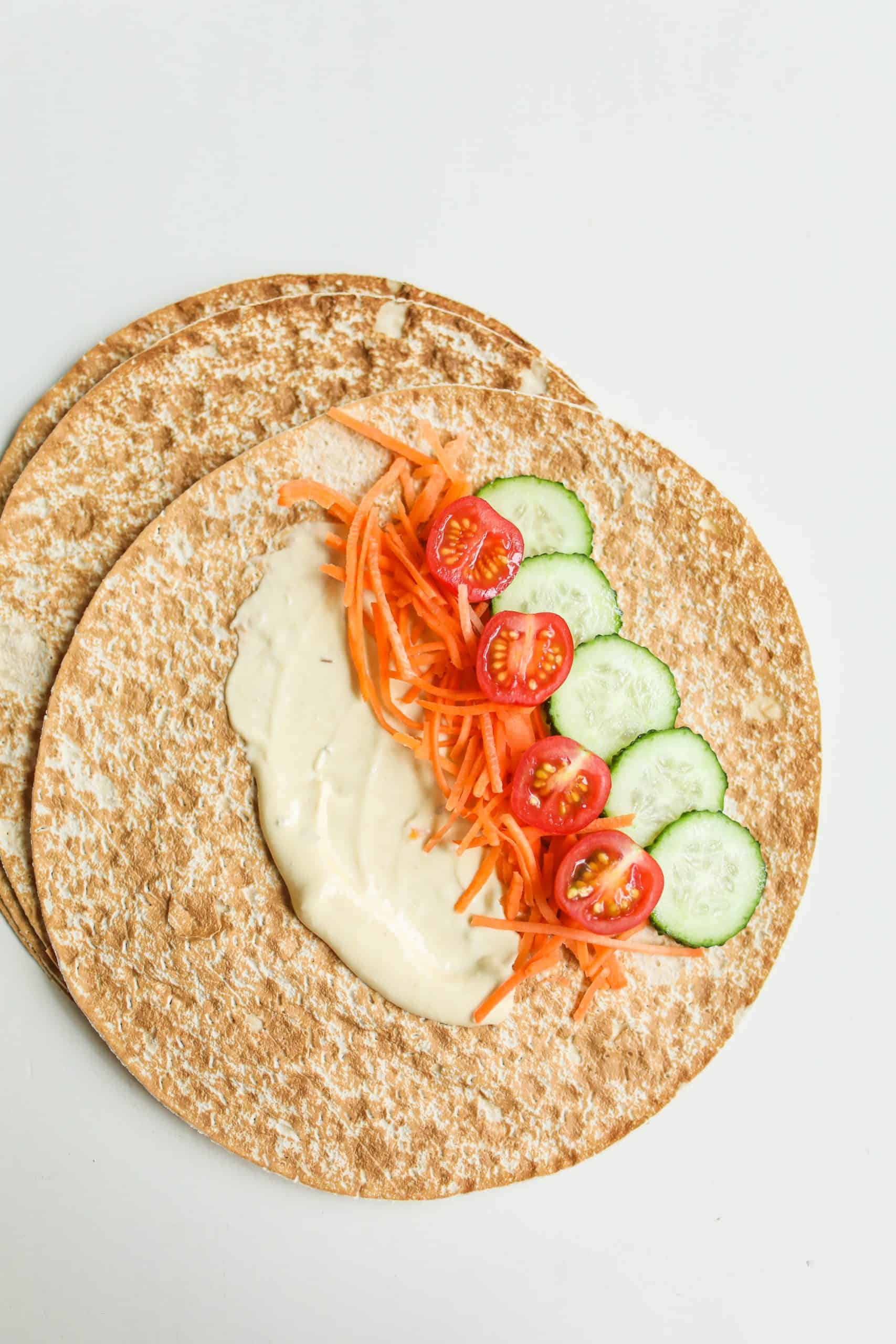
Most flatbreads are rolled into just that, flatbread. Some are leavened with yeast to help the bread rise when baking. Some are unleavened. These breads can include focaccia, tortillas, and pocket breads that can also be flavored with herbs and spices. While they may be flat by name, they are nothing of the sort when it comes to taste.
-
Rolls and Buns:
The varieties here are near endless and the English language does well to keep up with so many names! The more regular hearty dinner rolls, sub sandwiches, and burger buns are all included in this category. Cobs, baps, finger rolls, stottie cake or morning rolls may be familiar to you depending upon where you are in the world.
-
Breakfast Breads:
How about bagels with cream cheese, English muffins with butter, or (American style) biscuits drizzled in olive oil as any of your morning favorites to start the day?
-
Crackers, Croutons, and Crusts:
If you want to add some crunch to your salad or soup, bread rises to that challenge too, with crispy baked croutons for example. Alternatively, for a more indulgent moment, take time out to enjoy a cheesy pizza with a stuffed crust. And if all else fails, crackers are always a tempting option, loaded with cream cheese or if you’re feeling devilish, peanut butter and chili sauce (yes, that’s a thing!)
So then, our love affair with bread is strong and has been around for centuries, but is all bread created equal? Also, what about the bad (w)rap bread has been getting lately from doctors and dieticians alike? Is it the bread or what’s in the bread?
Traditional bread made with wheat has been found to contribute to brain cloud and sluggishness. That’s because the glycemic index of wheat is on the high side which means it’s quickly digested and absorbed into your bloodstream. That, in turn, causes a rapid rise in your blood sugar levels and can take your mind down the equivalent of a meander through a foggy London lane.
The slightly eye-widening reality is that wheat is on the same level as eating candy bars, drinking soda pop, and consuming table sugar when it comes to stimulating blood sugar levels. And we all know the dangers of high blood sugars and how these levels relate to many diseases like type II diabetes, heart disease, and cancer.
Traditional breads are also often made with animal-based ingredients such as dairy and eggs. Animal products have also been proven to be a major player in the role of high cholesterol and a prime culprit in triggering or exacerbating serious health conditions. Ditch all of that when you bake and treat your body to keto-vegan bread or other baked products.
So then, what can we do for great tasting bread and other baked products by replacing all those unwanted and unnecessary ingredients with healthy vegan ones that don’t make you feel guilty or ill afterwards? Well, the good news is, the substitutes for all vegan keto baking are out there and it’s easier than you might think to make great tasting satisfying recipes with just a few easy ingredient swaps. And all of that, of course, means a big adios to wheat and animal products and an even bigger howdy-doody to health, vitality, and delicious foods all starting with you.
So, where do we start?
Unsurprisingly, if you’re thinking about making your own bread, start off by ditching the carbohydrate-heavy wheat. Instead, check out some of the keto friendly, body friendly, flours that are becoming more and more available every day.
Flours
Almond flour is made from finely ground almonds that have been blanched (the skins removed). Almond flour is an excellent source of vitamin E, magnesium, iron, manganese, calcium, and potassium. Add to that how almonds are low in carbohydrates and high in protein and you get a perfect substitute for wheat flour.
Coconut flour is ground coconut “flesh” that is perfect for your keto-vegan diet as it is low in both carbohydrates and calories. At the same time, it is rich in fiber, protein, and fat. Consequently, coconut flour is just another easy, better for you, substitute for your baking needs.
Milks
Replacing dairy milk in any recipe is one of the easiest and healthiest choices you can make. The carbs in dairy milk and non-dairy alike can be on the high side, but if you are only using small amounts, nut milks, seed milks, and coconut are your best options. Look out for the following to introduce into your keto-vegan diet and baking wherever you can:
Almond / Cashew / Hemp / Hazelnut / Oat / Coconut / Flax
Butters
Dairy butter is an important ingredient in many recipes and is often seen as a baker’s friend. Well, that was then, this is now! The excellent news is that there are some great vegan butters that work wonderfully not only on your morning toast but perfectly as well in your keto-vegan baking quests. Nowadays you can choose from nut-based spreads like almond and cashew, through to some of the more recent variants like avocado and olive oil-based butters. And for extra reassurance, vegan butter spreads usually state right on the package if they are good for baking and cooking with.
Eggs
Eggs are another classic baking staple that can have some scratching their heads as to how best to replace them. Well, there are a growing number of healthy vegan substitutes out there. Try this excellent and easy egg substitute for starters:
- ¼ c silken tofu
- ¼ c non-dairy vegan yogurt
- 1 T flaxseed with 3 T water
- ¼ c fruit or veggie puree
- 3 T aquafaba (chickpea brine)
- 2 T cornstarch plus 3 T water
Alternatively, why not try xanthan gum – a gluten-free food additive that’s made from (good) bacteria fermented sugar. It’s a powdered binding agent that adds structure to baked goods, making it an excellent choice for making your own breads and other goods without the need for eggs.
Another option is tapioca – a starch extracted from the storage roots of the Cassava plant. It is higher in carbohydrates but is used so sparingly that it really doesn’t add to the overall carbohydrate count of a recipe. It’s a great thickening agent for breads and other baked goods. Again, bye-bye eggs.
You can also use psyllium husk powder (also known as ispaghula) as an egg alternative. Psyllium husk powder is derived from the husks of the plantago ovata plant’s seeds. Not only does this act as an excellent (vegan) thickening agent in place of eggs, it is also exceptionally good for bowel health and regularity. That’s because psyllium husk powder is a fiber that draws water into your intestines to help bulk and soften your stool. This is one of the most effective fibers for maintaining optimal digestive health by promoting regularity, reducing appetite, and improving blood sugar balance.
THIS??????????????????????????????????? ↓↓↓↓↓
A few great tips to ensure you always have what you need to make the awesome keto-vegan recipes you’re always going to want.
- Stock your pantry and check it regularly.
- Don’t be afraid of trying new – this is where the internet becomes just as much of a friend to you as your kitchen.
- Follow your vegan-keto recipes as accurately as possible to achieve the very best of results.
You never have to miss out on delicious baked breads and other goods again.